

Infertility Treatment is Being Backed by Doulas
Doulas are known to provide support both during and after pregnancy, but their work can begin sooner than a positive test as fertility doulas offer support to families navigating extra steps to start a family.

The Women Leading the Maternal Health Revolution Right Now
The U.S. maternal health crisis is real. So is the movement pushing back against it. Meet the women turning advocacy into action, and lived experience into lasting systems change.

From Granny Midwives to Modern Doulas
The women who built birth support in America deserve to be remembered. Explore the history of granny midwives, midwifery, and the modern doula movement.

What the recent TX and IN cases reveal about Black maternal health: What healthcare leaders must do now
Recent cases in Texas and Indiana, where two Black mothers in clear distress were denied timely care, reveal a deeper crisis in U.S. maternal health. These incidents highlight long-standing issues of bias, inconsistent triage, communication failures, and gaps in accountability that place Black birthing people at disproportionate risk.
One of the most powerful yet often overlooked solutions is the hospital ombudsman or patient-relations department. When fully supported, these teams can investigate concerns, escalate safety issues, and ensure families are heard before a situation becomes dangerous. Strengthening these systems, alongside policy reform and improved clinical responsiveness, is essential to restoring trust and protecting families.
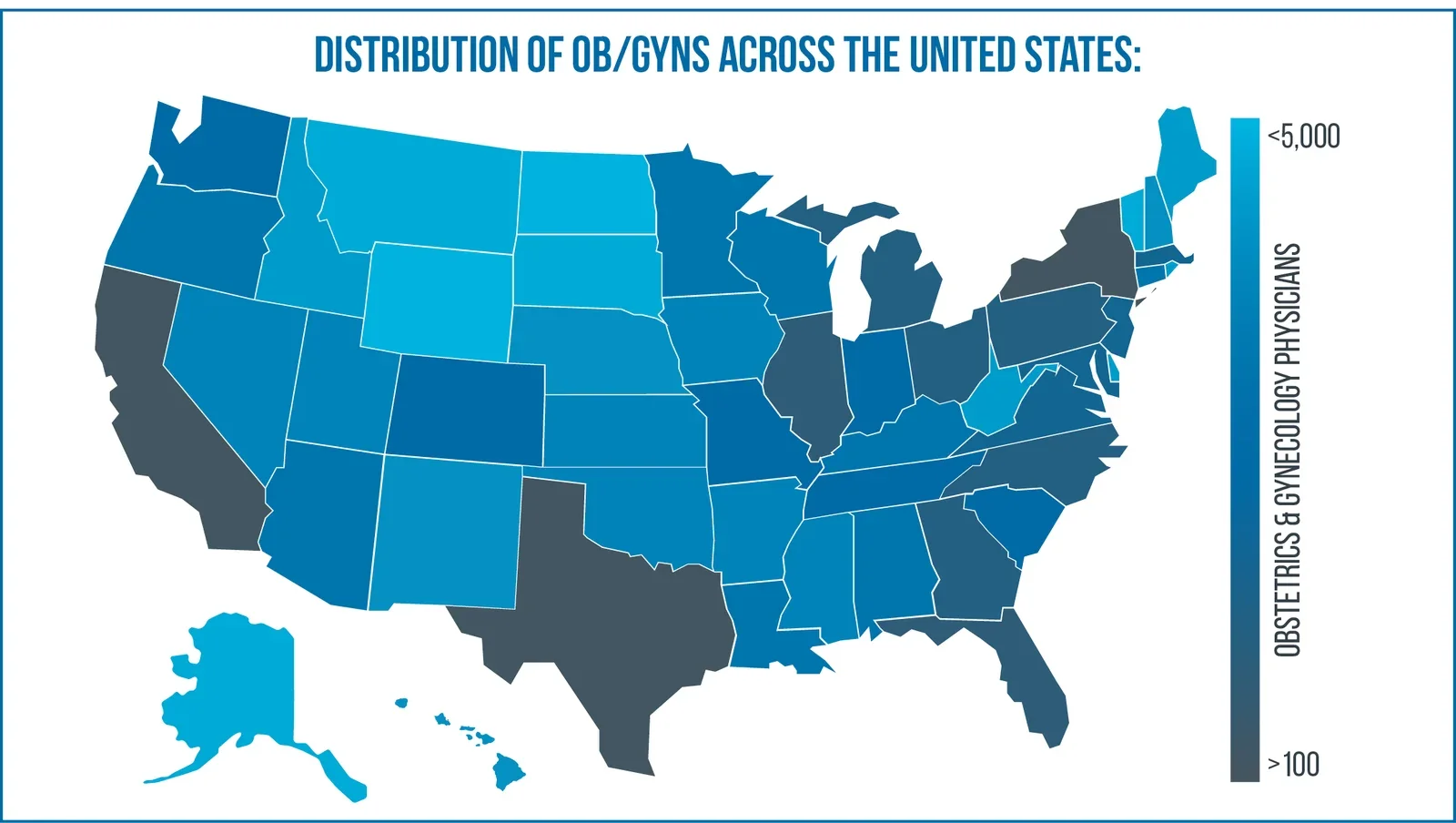
The Shrinking OB/GYN Workforce and What It Means for the Future of Maternal Health
Across the U.S., maternity-care deserts are growing as OB/GYNs, nurses, and midwives become increasingly scarce. Inspired by recent insights from UMass Chan Medical School, we explore how collaboration, team-based care, and doula integration can help rebuild trust and strengthen the maternal health workforce.

Strength in Collaboration: What Hurricane Melissa Teaches Us About Maternal and Infant Health
When Hurricane Melissa struck Jamaica, it exposed more than physical damage, it revealed how fragile maternal and infant health systems can be during crises. This article explores how collaboration among doulas, nurses, midwives, and physicians builds resilience, trust, and continuity of care for families before, during, and after disasters.

What Mississippi’s Infant-Mortality Emergency Reveals About the Future of Maternal-Health Systems
Mississippi’s rising infant-mortality rates reveal deep cracks in the U.S. maternal-health system. This piece explores how Medicaid access, maternity-care deserts, and doula integration can reshape care, turning crisis into opportunity for reform.

Enhancing Maternal Health: The Impact of Doula-Provider Collaboration on Patient Outcomes
Collaboration between doulas and clinical providers is a powerful yet underutilized approach to improving maternal health outcomes. When physicians, nurses, midwives, and doulas work in tandem with clearly defined roles and mutual respect, patients experience more personalized, coordinated, and effective care. This model reduces unnecessary interventions, enhances communication, and supports family well-being. Co-learning opportunities such as joint trainings or orientation sessions help bridge understanding between disciplines and foster trust. By building structured, team-based systems that center patient needs, hospitals and health institutions can strengthen outcomes and satisfaction for both families and care teams. Integrating doulas is a valuable asset to care delivery.

Why Community Engagement Is Essential for Maternal Health System Transformation
Community engagement is a critical